
What Is a Drum Asphalt Mixer? The Ultimate Guide to Continuous Asphalt Production & Efficiency
1. What Is a Drum Asphalt Mixing Plant? Its Technical Attributes and the Business Logic of Continuous Production
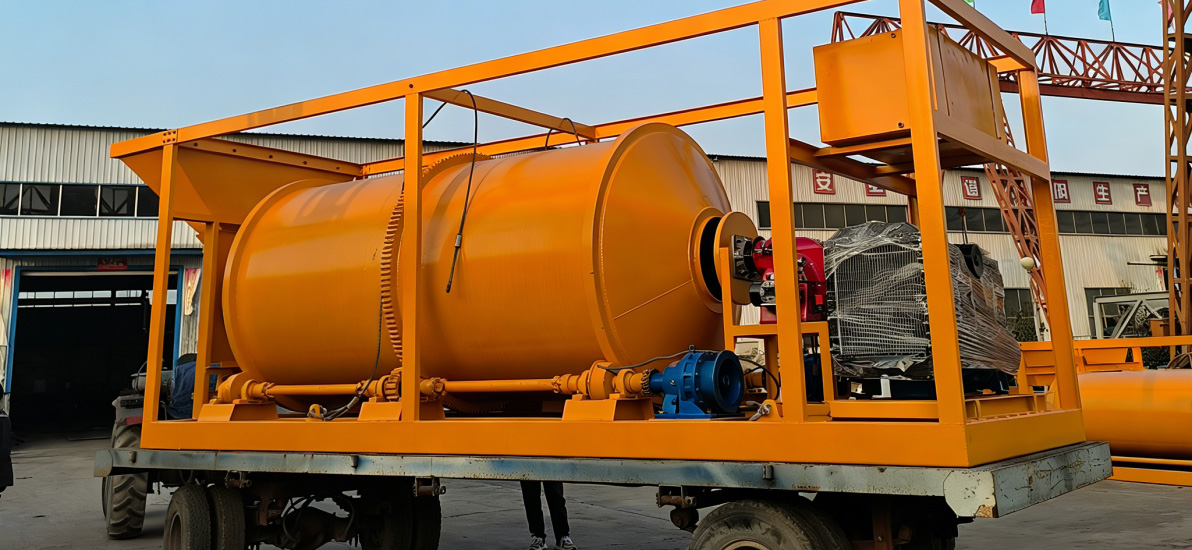
1)Core Definition of a Drum Asphalt Mixing Plant
Unlike traditional batch-mix plants—which follow a segmented, discrete process involving batch drying, elevating, screening, weighing, and mixing—a drum mixing plant eliminates idle intervals between process stages. It enables a seamless, continuous production flow, spanning from the initial feeding of cold aggregates to the final discharge of hot-mix asphalt (HMA).
2)Comparison and Differences: Drum-Mix vs. Batch-Mix Processes
| Comparison Dimensions | Drum Mix / Continuous | Batch-Type Asphalt Mixing Plant | Benefit Analysis Of Zhenzhong Mechanical Engineering Projects |
| Process Flow | Uninterrupted Continuous Production: Aggregate drying, heating, and asphalt coating are performed in a single, continuous process within one drum. | Segmented, Batch-Based Production: Aggregate drying → elevation → vibrating screening → storage in hot bins → batch-wise weighing and mixing. | The drum-mix design eliminates wait times between process stages and frequent pauses for discharging, resulting in exceptionally high production throughput. |
| Physical Structure | Minimalist Design: Eliminates the need for towering screening structures, hot aggregate elevators, secondary hot-material bins, and weigh hoppers. | Complex and Massive: Incorporates multi-level vibrating screening systems, weigh hoppers, a mixing tower, and intricate steel structures. | Drum-mix plants feature a significantly lower equipment weight and a smaller physical footprint, which reduces costs related to site infrastructure and ground preparation. |
| Thermal Efficiency | Highly Efficient Heat Retention: Dense curtains of aggregate absorb thermal energy directly; the "dry-mix to wet-mix" process occurs in a single stage, preventing heat loss associated with intermediate material discharge. | Significant Heat Loss: Thermal energy is lost through air convection at multiple stages, including elevation, screening, and temporary storage. | With minimal heat loss, drum-mix plants substantially lower fuel expenditures (OPEX) per ton of asphalt mixture. |
| Mix Proportion Control | Dynamic Continuous Metering: Real-time, precise proportioning is achieved through variable-frequency cold-feed weigh feeders and asphalt metering pumps. | Static, High-Precision Weighing: After screening, hot aggregates of various particle sizes—along with bitumen—are weighed independently in batches using static electronic weighing systems. | Equipped with intelligent variable-frequency drive (VFD) controls, modern drum-mix plants offer the precision required to fully comply with the vast majority of highway construction and maintenance standards. |
| Site Relocation and Setup | High Mobility and Rapid Deployment: The streamlined structure facilitates modular configuration or trailer-mounted transport, requiring no deep concrete foundations. | Long Construction/Installation Cycle: Due to the massive scale, assembly requires heavy-duty cranes, and the process necessitates excavation and the pouring of heavy-duty concrete foundations. | Drum-mix plants are particularly well-suited for operations requiring frequent relocation, linear maintenance projects, and dispersed, multi-site construction. |
| Costs and ROI | Low CAPEX and OPEX: Offers low initial procurement and transport costs; the absence of components like vibrating screens—which are prone to wear—results in minimal maintenance and operational expenses. | High Investment and Maintenance Costs: Requires substantial initial capital expenditure, with frequent ongoing maintenance needed for components such as screen meshes and weighing mechanisms. | Requiring less capital investment, drum-mix plants help contractors recover their capital quickly, delivering an exceptionally high return on investment (ROI). |
3) Mainstream Application Scenarios and Engineering Suitability
Drum-type asphalt mixing plants are not intended to completely replace batch-type plants; rather, they offer unparalleled economic efficiency and timeliness in specific engineering scenarios:
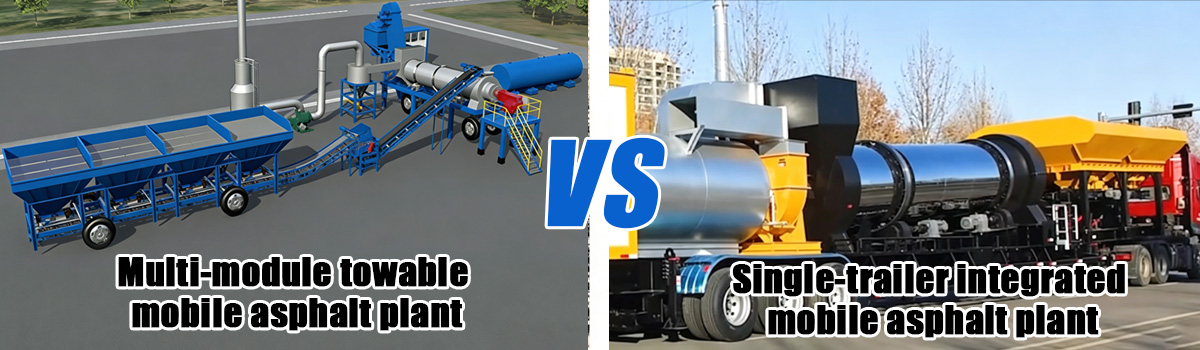
Frequent site relocation and linear maintenance projects: Thanks to their simple structure—which facilitates modular design and trailer-mounted configurations—drum-type plants possess inherent high mobility. This makes them exceptionally well-suited for highway maintenance, road widening, and projects involving multiple, geographically dispersed work sites.
High-throughput requirements and tight project schedules: For the construction of rural road networks, the paving of low-to-medium-grade highways, and large-scale infrastructure grading projects, these plants deliver high, continuous production capacity to meet the demands of rapid paving.
Projects prioritizing a high return on investment (ROI): For international contractors operating with limited budgets—who need to control initial fixed-asset investment and achieve a quick capital recovery—drum-type equipment provides a reliable, cost-effective solution.
Conclusion
The essence of technology selection lies in the precise alignment of engineering requirements with equipment characteristics. The drum-type asphalt mixing plants manufactured by Zhenzhong Machinery—featuring a highly streamlined design, superior thermal efficiency, and high-output continuous production—offer global road builders a robust equipment solution that balances high throughput with rigorous control over operational costs.
2. What is the operating principle of a drum-mix asphalt plant, and what constitutes its "micro-closed-loop" system? How are thermal energy and mechanical power seamlessly integrated?
As a specialized manufacturer of construction machinery and road-building equipment, Zhenzhong Machinery leverages precise fluid-thermal simulation and heavy-duty structural engineering to ensure exceptional thermal efficiency and production stability in its drum-mix asphalt plants. The system’s operation can be broken down into four distinct, sequential technical stages:
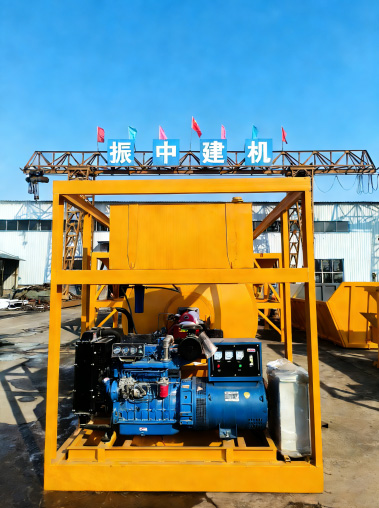
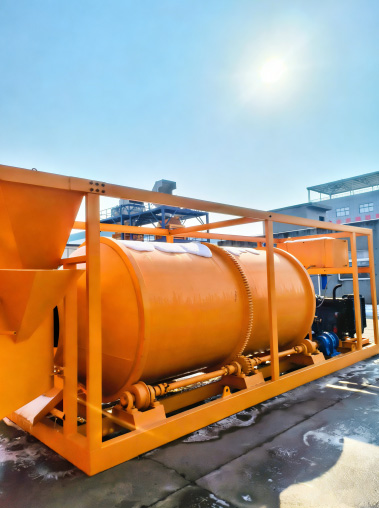
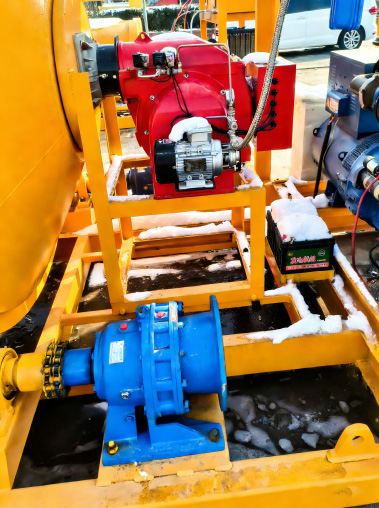

Stage 1: Precise Proportioning and Continuous Conveying of Cold Aggregates
Variable-Frequency Cold-Feed System: Equipped with high-precision, variable-frequency belt feeders at the base of each cold-feed hopper, the system dispenses aggregates of various sizes onto a collection conveyor according to a pre-set gradation curve.
Primary Oversize Screening: The collection conveyor transports the aggregates to a screening unit, which removes oversized or unwanted material. An inclined feed conveyor then delivers the screened aggregates at a constant, steady rate into the inlet of the drying and mixing drum.
Stage 2: Heat Transfer (Counter-flow/Parallel-flow) and the Formation of a Dense Aggregate Curtain
Aggregates enter the front section of the drum (the drying and heating zone), which serves as the physical core for thermal energy exchange.
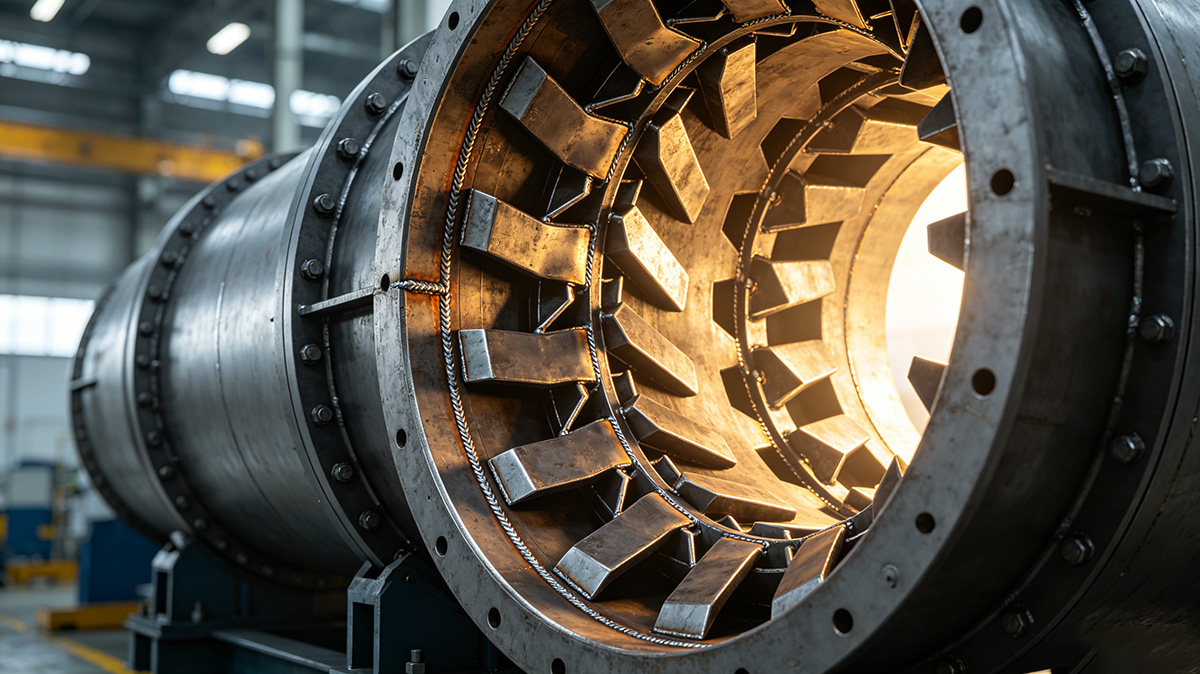
Specialized Lifting Flight Design: The inner wall of the drum is fitted with proprietary lifting flights—engineered by Zhenzhong Machinery using a special alloy steel designed to resist both wear and high-temperature creep. As the drum rotates continuously, lifting flights carry the aggregates to an elevated position and release them, creating a uniform and dense "curtain of aggregates" across the drum's cross-section.
Stage 3: Metered Bitumen Injection and Continuous Mechanical Coating within the Drum
Intelligent, Synchronized Bitumen Injection: The bitumen supply system utilizes a high-precision, variable-frequency metering pump, linked in a real-time closed-loop with data from the cold-feed weigh feeders. This ensures that a precise quantity of hot liquid bitumen—along with reclaimed fines or mineral fillers—is sprayed continuously and uniformly onto the surface of the heated aggregates via high-pressure nozzles.
Mechanical Shearing and Uniform Coating: Driven by the mechanical shearing and tumbling action of specialized mixing blades in the rear section of the drum, the bitumen rapidly coats the surface of every aggregate particle, forming a highly adhesive, uniform film that results in a high-quality Hot Mix Asphalt (HMA).
Stage 4: Continuous Discharge of Finished Mix and Advanced, Eco-friendly Dust Collection
Continuous Handling of Finished Mix: The completed hot mix is discharged directly into a wear-resistant drag-chain conveyor, which transports it continuously to a storage silo for temperature-controlled holding or directly into waiting trucks. Negative-Pressure Dust Removal and Heat Recovery: Driven by an induced-draft fan, dust-laden flue gas from the drum enters a high-efficiency dust collection system (comprising gravity-based separation and a baghouse filter). The captured dust is recovered and repurposed as filler material, while the purified exhaust gas meets all emission standards.
Conclusion
3. What Are the Key Performance Characteristics of Drum-Type Asphalt Mixing Plants That Balance High Efficiency with Economic Viability?
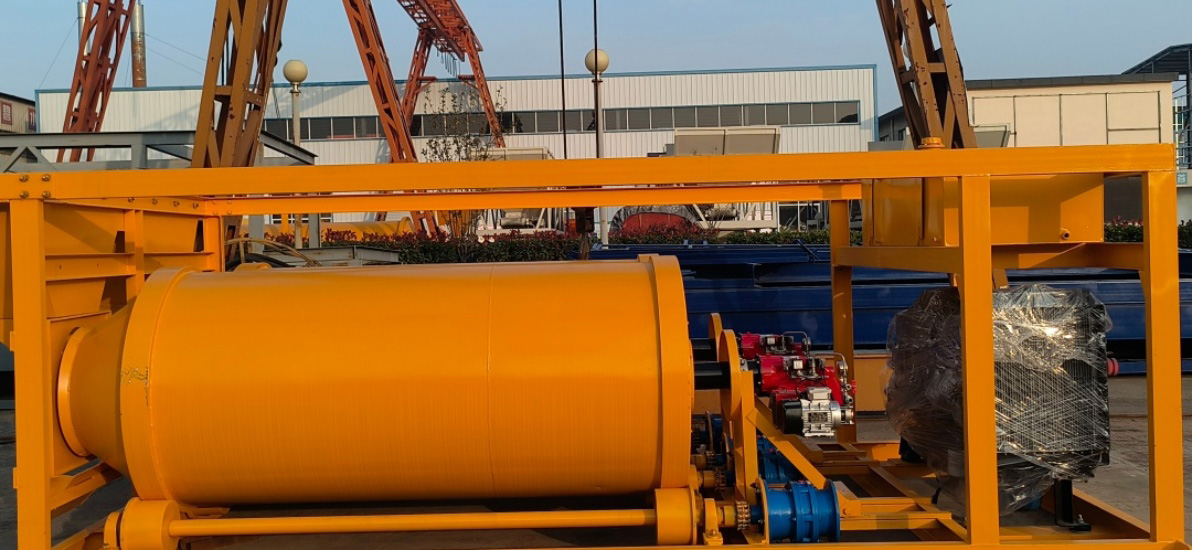

1) Continuous Production for Exceptionally High Output:
Unlike traditional batch-type plants, this system eliminates periodic pauses—such as those required for vibrating screening, secondary weighing, and the opening/closing of a mixing chamber’s discharge gate. From the initial feeding of cold aggregates to the final asphalt-coating stage, the material flows seamlessly, resulting in an extremely high throughput rate. For large-scale projects—such as rural road network development, the paving of low-to-medium-grade roads, or extensive site grading—the equipment delivers a steady, continuous stream of asphalt mix, ensuring that paving operations in the field proceed without interruption.
2) Compact Design with a Small Footprint:
By integrating the drying/heating process with the coating/mixing process, the system eliminates the need for massive, towering screening structures and complex, heavy-duty steel frameworks. The compact design and reduced structural weight not only lower initial capital expenditure (CAPEX) and international shipping costs but also minimize the expenses associated with on-site excavation and concrete foundation work. For project teams that frequently relocate, this streamlined, minimalist structure significantly reduces the costs of site preparation before operations can begin.
3) Exceptional Thermal Efficiency and Fuel Economy:
By optimizing the physical layout of the internal lifting flights, Zhenzhong Machinery’s drum mixer creates an exceptionally dense and uniform "aggregate curtain" within the drum. Thermal energy from the burner flame and high-convection flue gases penetrate this curtain directly, ensuring highly efficient heat absorption by the aggregates and minimizing waste heat loss. This "dry-mix-to-wet-mix in a single pass" design—engineered to lock in heat—significantly reduces fuel consumption per ton of material, providing contractors with a robust safeguard against rising costs.
4) High Mobility and Rapid Site Relocation:
By eliminating components prone to high wear—such as vibrating screens, which are subject to extreme heat and mechanical friction—the system achieves an exceptionally low mechanical failure rate, thereby reducing daily maintenance requirements and the need for replacement parts. Furthermore, its highly compact, modular design is inherently suited for trailer-mounted configurations (towed via a wheeled chassis), enabling rapid dismantling and reassembly. This allows for immediate production upon arrival, greatly enhancing equipment utilization rates across multi-site, cross-regional projects.
Conclusion:
4. What Are the Commercial ROI and Engineering Evaluation Models for Drum-Mix Asphalt Plants?
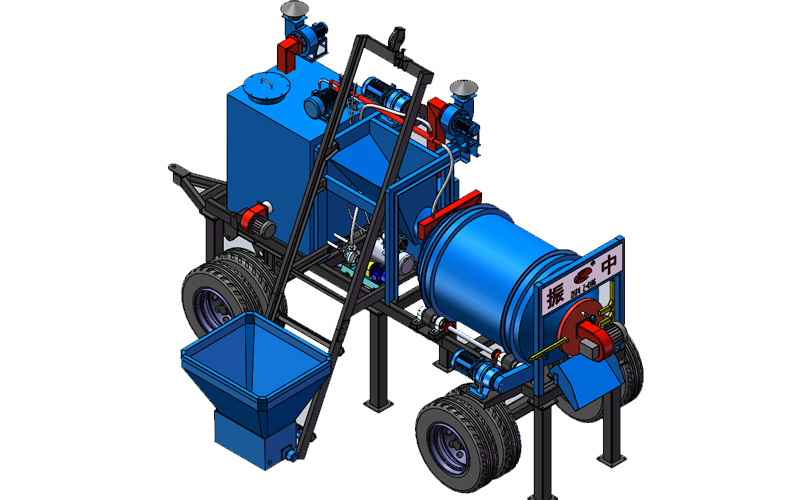

1) Capital Expenditure (CAPEX) Analysis: The "Light-Asset" Advantage of a Minimalist Design
Lower Procurement and Logistics Costs: By eliminating bulky, high-rise screening towers, hot-aggregate elevators, and complex heavy-duty support structures, the physical weight and overall volume of a drum-mix plant are significantly reduced. This not only lowers the initial capital expenditure (CAPEX) compared to batch-mix plants of equivalent capacity but also substantially cuts costs associated with international ocean freight and inland transportation.
Elimination of Site Infrastructure and "Sunk" Costs: The minimalist, lightweight design places minimal demands on ground-bearing capacity. There is no need for deep excavation or the pouring of massive concrete foundations; the equipment can be set up on a simple, leveled, and hardened surface. This drastically shortens the site-commissioning timeline and eliminates "sunk" costs—investments in permanent foundations that cannot be recovered or repurposed.
2) Operational Expenditure (OPEX) Advantages: Profit Gains Through Thermal Efficiency and Minimal Wear Parts
Reduced Aftermarket Maintenance and Downtime Losses: Mechanical complexity is directly proportional to failure rates. Drum-type plants eliminate highly wear-prone components—such as high-temperature, high-vibration screening decks and complex linkage mechanisms for weigh hoppers—resulting in minimal mechanical wear points. This not only slashes the budget for spare parts but also eliminates downtime costs caused by mechanical failures, ensuring high equipment utilization rates.
3) Quality Compliance and Intelligent Proportioning: Overcoming Traditional Biases Against Drum-type Plants
By integrating high-precision VFD-controlled cold-feed weigh feeders with VFD-controlled asphalt metering pumps, Zhenzhong Machinery achieves real-time, millisecond-level synchronization between aggregate flow and hot asphalt injection. Supported by highly sensitive infrared discharge-temperature monitoring and an intelligent control cabinet, the system precisely regulates the bitumen-to-aggregate ratio and discharge temperature for every batch. This ensures that the final product fully complies with the rigorous pavement engineering quality standards of the host country, perfectly balancing cost-effectiveness with high-quality delivery.
Conclusion
5. Heavy-Duty Quality and Continuous Production: Zhenzhong Machinery’s Flagship Drum-Type Asphalt Mixing Plants
1) Zhenzhong DHB Series: High-Efficiency, Thermally Balanced Stationary Plants
Thermally Balanced Drum Design: This series features Zhenzhong’s proprietary, high-efficiency, thermally balanced drying drum. Integrated with an intelligent, adaptive combustion system, it ensures that radiant heat from the flame penetrates dense curtains of aggregate, enabling rapid dehydration and heating.
Low-Energy Continuous Production: By eliminating the complex screening and secondary weighing processes found in traditional batch-mix plants, our continuous "single-pass" production model significantly reduces fuel consumption per ton. This ensures high throughput while drastically lowering the production cost per ton of finished asphalt mix for contractors.
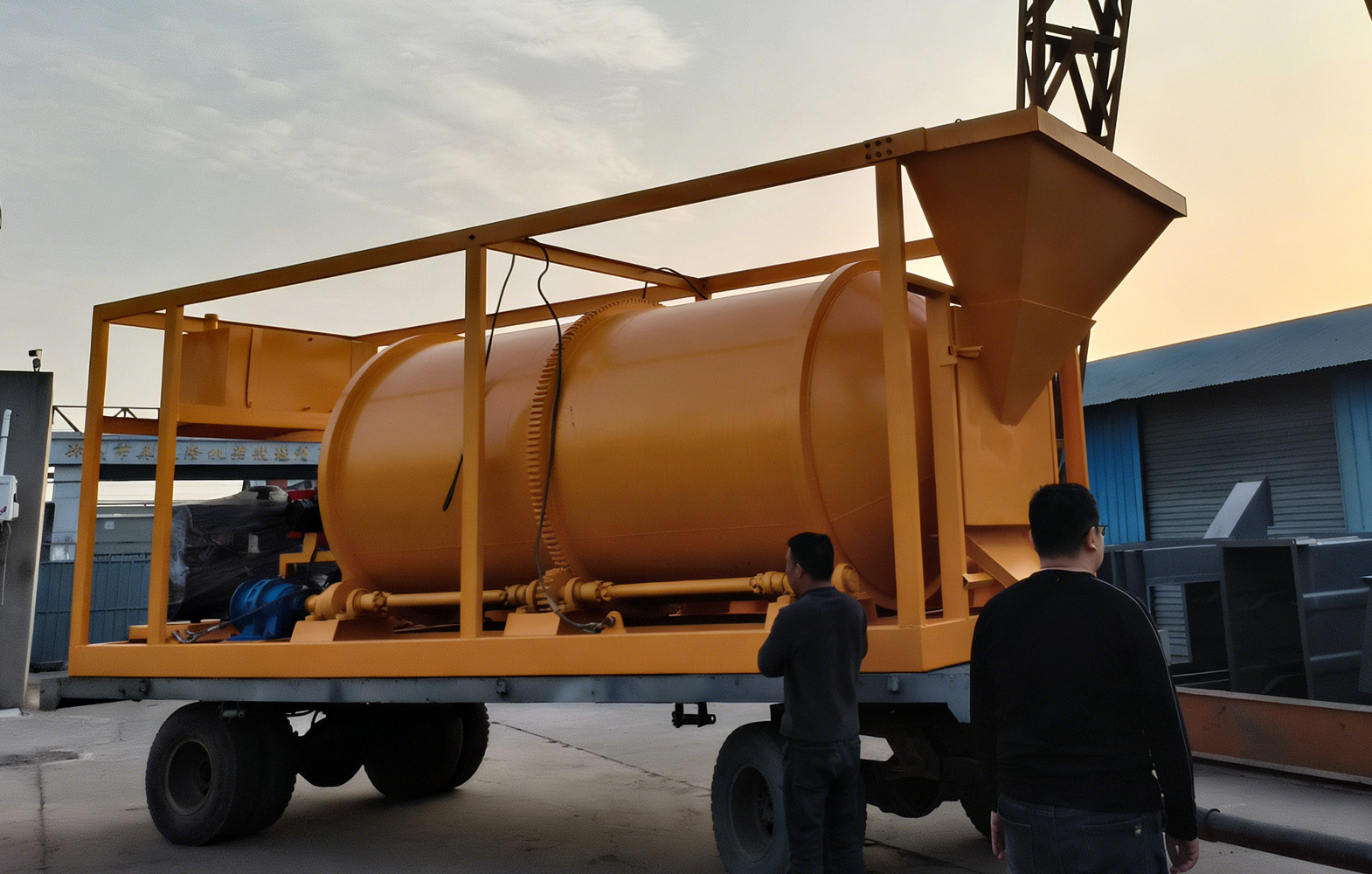
2)Zhenzhong MDHB Series: Mobile Plants with Integrated Chassis for Rapid Deployment
Foundationless, Rapid 12-Hour Commissioning: The equipment is fitted with high-strength, self-locking rigid steel support legs. Upon arrival at the site, the unit can be stabilized directly on any level, hardened surface—eliminating the need for excavation or the pouring of concrete foundations. Installation, commissioning, and the commencement of production can be completed within just 12 hours.
3) Specialized Alloys and Non-Destructive Testing (NDT): Safeguarding the Drum’s Structural Integrity
Zhenzhong Machinery’s core manufacturing advantage lies in the heavy-industrial-grade material standards applied to the drum’s internal components. All internal lifting flights are crafted from a proprietary, wear-resistant, and creep-resistant special alloy steel developed by Zhenzhong. Furthermore, the drum frame and main structural components undergo rigorous non-destructive testing (NDT) of all welds. This ensures that, even under harsh operating conditions and prolonged, high-intensity continuous use, the drum structure and internal flights remain free from deformation—thereby preserving the equipment’s total service life and residual resale value.
Conclusion
6. International Compliance and Global Entrustment: Zhenzhong Machinery Drum Asphalt Station’s Overseas Contract Performance Strength

1) Strict international qualification verification, seamlessly aligning with the red lines of transnational project supervision
ISO9001 Quality Management System Lean Manufacturing: Zhenzhong Machinery strictly implements the ISO9001 quality management system and implements digital quality traceability throughout the entire process from the entry of special anti-wear alloy steel raw materials, roller flaw detection and welding, to the final assembly of variable frequency electrical control cabinets to ensure that each factory equipment meets high-quality engineering standards.
Authoritative European Union CE standard certification: In response to the stringent entry thresholds of the international mainstream market, Zhenzhong's full range of drum asphalt mixing equipment has successfully passed the European Union CE standard certification. The equipment fully complies with the supervision and inspection requirements of international high-standard road construction projects in terms of electrical safety protection, mechanical structural strength, and noise and smoke control, ensuring that overseas buyers can clear customs in the host country without obstacles and quickly pass site acceptance.
2) Practical endorsement of all-terrain and extreme weather conditions to ensure high operational availability
Extremely fast dehydration in high-humidity and rainy conditions: In response to the challenge of too high initial aggregate moisture content, the optimized design of the dense material curtain and the thermal energy balance roller achieve efficient heat exchange, ensuring that the moisture of the aggregate evaporates quickly before entering the coating section, and avoiding the slippery cold material affecting the ratio.
Stable operation in high temperature and harsh environments: All electrical components of the station are sealed with high protection level (IP65/IP67) dust-proof and waterproof, and are equipped with high-temperature-resistant special alloy internal structures to ensure that the equipment maintains an extremely low failure rate under long-term high-load operation.
3) 24/7 digital remote service, closed-loop full life cycle asset security
Digital intelligent remote diagnosis: Equipped with an intelligent control module, it provides 24/7 multinational remote digital online diagnosis services. The technical team at the headquarters can perform real-time recalibration of combustion parameters, calibration of the metering system and wear assessment of core components to preventively eliminate potential faults.
Extremely fast spare parts and overseas on-site guidance: Relying on a complete rapid response supply chain network to ensure that highly vulnerable components can efficiently reach major ports around the world; combined with on-site installation training and technical guidance from on-site engineers to maximize the continuous operating rate and equipment asset residual value of overseas construction sites.
Conclusion

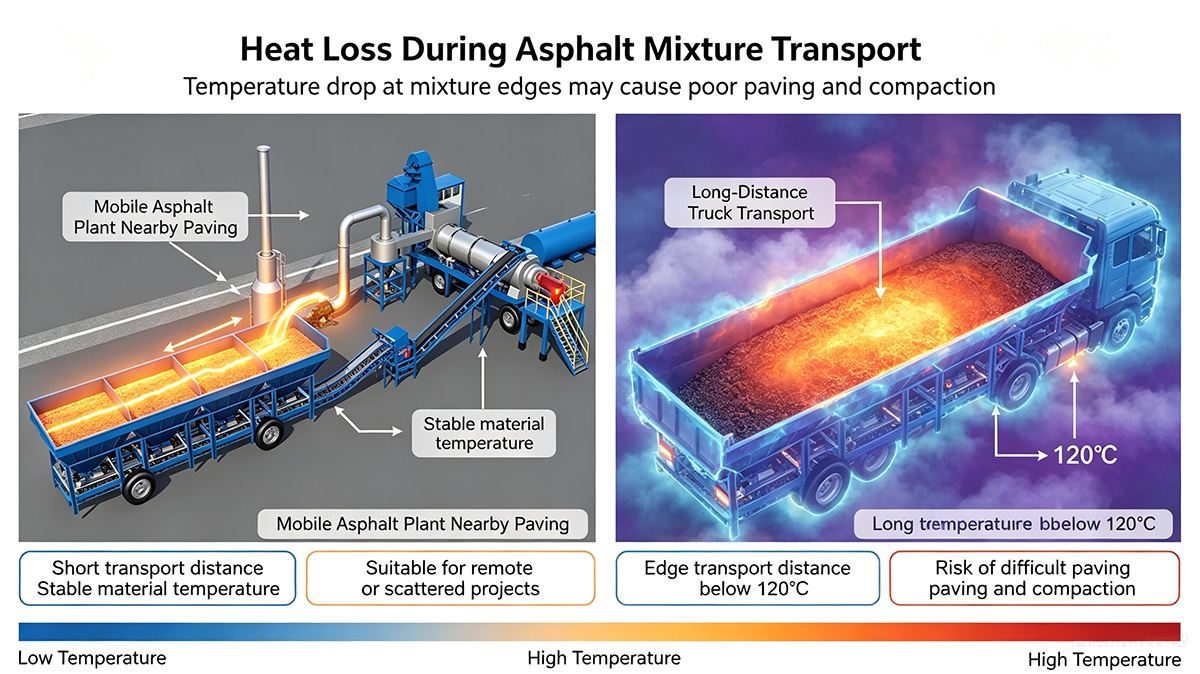
How can the flexibility of mobile asphalt mixing plants be maximized for road maintenance?

COMPLETE CUSTOMIZED SOLUTION
All Cases Of Zhenzhong Machinery
OUR MACHINERY EQUIPMENT CLASSIFICATION
Why Choose Our Factory

Strict quality control: Strict inspection before delivery to ensure stable performance of concrete and asphalt mixing equipment.

Complete product range: One-stop supply of concrete batching plant, concrete mixer, asphalt mixing plant and auxiliary equipment, no need for separate procurement.

Professional customization: Full-set station construction and OEM services, tailored to your concrete and asphalt mixing project needs.

Global after-sales: Professional overseas technical support and timely spare parts supply for all mixing equipment.

Rich experience: Serving global key projects, reliable quality and reputation in concrete and asphalt mixing equipment industry.

Direct factory supply: No middlemen, factory price direct to customers for all concrete mixing equipment and asphalt mixing plant.
If you need product parameter list, project solution, latest quotation or catalog download, please contact us directly. We will reply within 24 hours and provide free professional equipment selection suggestions for your project.