
The Thermal Dynamics of Hot Mix Asphalt Plants: Optimizing Dryer Drum Efficiency & Lowering Burner Fuel OPEX
How can we conduct an in-depth analysis of heating and drying efficiency in hot-mix asphalt plants?
1. How can we deeply explore the sources of efficiency, energy consumption thresholds, fundamental principles, and commercial pain points of the hot-mix asphalt process?
In the demanding context of global road and bridge infrastructure projects and the execution of international contracts, the quality and cost control of hot-mix asphalt (HMA) have become critical benchmarks for a contractor's core competitiveness. The successful delivery of any high-grade highway, municipal arterial road, or airport runway project relies fundamentally on "precise moisture control" and "thermal uniformity." As a specialized Chinese manufacturer with thirty years of experience in road construction equipment, Zhenzhong Machinery addresses the thermal energy challenges inherent in modern engineering; by deeply analyzing the energy consumption thresholds of the hot-mix asphalt process, the company helps global contractors secure a competitive edge amidst soaring operational expenditures (OPEX).
1) How exactly does critical residual moisture compromise pavement service life?
Once the finished mixture is paved, interlayer separation caused by residual moisture—exacerbated by the cyclic effects of weather and traffic loads—rapidly leads to issues such as moisture damage, subgrade instability (mud pumping), and premature pothole formation. Therefore, achieving the complete vaporization of internal aggregate moisture within the extremely short residence time of the dryer drum is the primary technical challenge that a hot-mix plant must overcome.

2) The Energy Consumption Barrier: A High-Stakes Balancing Act Affecting 70% of Operational Costs
This significant share of energy consumption means that the thermal efficiency of the drying system directly dictates the project's daily operating costs. In an international market characterized by volatile energy prices, even minor fluctuations in fuel consumption per ton of finished product—when scaled up to large-scale projects involving tens of thousands of tons—can decisively impact net profitability. Energy consumption control is no longer merely an abstract environmental slogan; it is a critical factor directly influencing the bottom line.

3) Technical Definition of Drying Efficiency: The Dynamic Balance Between Time and Temperature
Conclusion
2. How does Zhenzhong Machinery’s design of drying drum flights achieve breakthroughs in drying performance through micro-geometric engineering?

1) Core Principle: Controlling aggregate distribution to form a dense, seamless, and continuous material curtain.
If the geometric design of the lifting flights is flawed, gaps or breaks will occur as the aggregates are dispersed; this allows the high-energy hot gas stream from the burner to pass straight through, resulting in significant heat loss via the exhaust. Through precise computer simulation and geometric calculation, Zhenzhong Machinery meticulously calibrates the installation angle and rotation speed of the lifting flights. During drum operation, the material is dispersed with high uniformity across the entire cross-section, creating a dense, unbroken "waterfall" of aggregates that forces the hot gas stream to undergo frequent, high-intensity heat exchange at the molecular level.
2) Three-Stage Zonal Flow Field: Precision Temperature Control and Segregation Prevention

Feeding Zone
Drying/Heating Zone
Discharging Zone
3) Robust Durability: High Wear Resistance and Creep Resistance
The heat exchange zone is subjected to direct exposure from high-temperature flames (reaching up to 800°C) and frequent physical abrasion from massive quantities of aggregates. Standard steels are prone to high-temperature creep or geometric deformation, which can compromise the integrity of the material curtain. Zhenzhong Machinery exclusively uses custom-made alloy steel that offers high wear and creep resistance. Combined with rigorous non-destructive testing and precision welding, this ensures that—even after thousands of hours of continuous operation under harsh conditions—the lifting flights retain their precise angles and shapes without deformation, thereby maintaining the integrity of the material curtain.

Conclusion
3. How does precise thermal calculation control heat loss to achieve a perfect energy balance in Zhenzhong Machinery asphalt plants?
1) Precision Energy Balancing: A Robust Model of Thermal Pathways
Effective Thermal Energy (approx. 60%–65%)
Exhaust Heat Loss (approx. 15%–20%)
Heat loss from the drum shell (approximately 5%–8%)
Heat loss due to incomplete combustion and residue (approximately 3%–5%)

2) Engineering Intervention Insights: Turning Heat Loss into Direct Profit
First, to tackle flue gas heat loss—which accounts for 15%–20% of the total—Zhenzhong Machinery utilizes a high-precision internal flight (lifting blade) layout to significantly increase the density of the "aggregate curtain." As the high-energy hot airflow from the burner passes through this dense barrier, thermal energy is instantly and maximally absorbed. This exceptional heat exchange efficiency lowers exhaust gas temperatures by 15°C, directly reducing fuel consumption for contractors by 5%.
Second, to address the 5%–8% heat loss caused by drum radiation, Zhenzhong Machinery employs a fully sealed, high-performance external enclosure. We have installed a high-density aluminum silicate rock wool layer over the drying drum, paired with a mirror-finish stainless steel weather-resistant casing; this combination minimizes radiant and convective heat loss from the drum surface to ≤1.5%. Even in extremely harsh environments characterized by freezing temperatures and strong winds, the system effectively retains the core internal heat flow.
Conclusion
4. How is digital coupling precision achieved by using CFD simulations to match Zhenzhong Machinery’s combustion system with the heat exchange flow field?

1) Geometric Matching of Flame Profile and Internal Space: Eliminating Hidden Losses from Localized Overheating
Leveraging 3D CFD (Computational Fluid Dynamics) simulation models, Zhenzhong Machinery performs molecular-level digital modeling of the flame's axial length, radial dispersion radius, and gas flow velocity. We meticulously calibrate the relative positioning of the burner flame and the material curtain across the drum's cross-section, ensuring that the high-energy hot airflow creates a dense, uniform dispersion field throughout the entire cross-section. This precise engineering not only eliminates localized high-temperature "blind spots" and protects core steel components but also ensures that thermal energy is instantly and maximally absorbed by the material curtain.
2) Dynamic Micro-Negative Pressure Control Algorithm: Preventing Cold Air Infiltration and Hot Gas Leakage
Coordinated Variable-Frequency Induced Draft:
Bidirectional Prevention of Waste:
As environmental regulations regarding carbon emissions for international road construction projects become increasingly stringent, Zhenzhong Machinery has optimized the burner's air-fuel ratio zone using CFD (Computational Fluid Dynamics) simulations. This approach significantly suppresses the formation of thermal nitrogen oxides (NOx) while maintaining high thermal efficiency during intense fuel combustion. By seamlessly integrating "low NOx emissions" with "superior heat exchange efficiency," this digital solution enables global contractors to easily meet the strict environmental compliance standards set by host countries.
Conclusion
5. Deconstructing the Core Strengths That Build Zhenzhong’s Competitive Moat in Asphalt Plant Manufacturing

1) Leveraging deep expertise in thermal engineering to create a highly insulated, fatigue-resistant drying drum
Fully encapsulated thermal containment:
Drastic reduction in convective heat loss:
2) Intelligent adaptive multi-fuel burner: Mitigating risks in cross-border energy supply chains
Seamless one-touch fuel switching:
Proprietary material-curtain tracking algorithm:
3) Proprietary alloy technology: Ensuring long-lasting, highly wear-resistant lifting flights
Conclusion
6. How do global project execution capabilities and technical credentials underpin Zhenzhong Machinery’s cross-border delivery strength?

1) Rigorous International Qualification and Compliance Verification
Digital Quality Traceability:
International Technical Compliance:
2) Proven Performance Across Diverse Terrains: A Strong Global Track Record
3) 24/7 Digital After-Sales Support: A Closed-Loop Commitment to "Global Reliability"
Lifecycle Thermal Efficiency Optimization:
Rapid Global Parts Response:
Conclusion

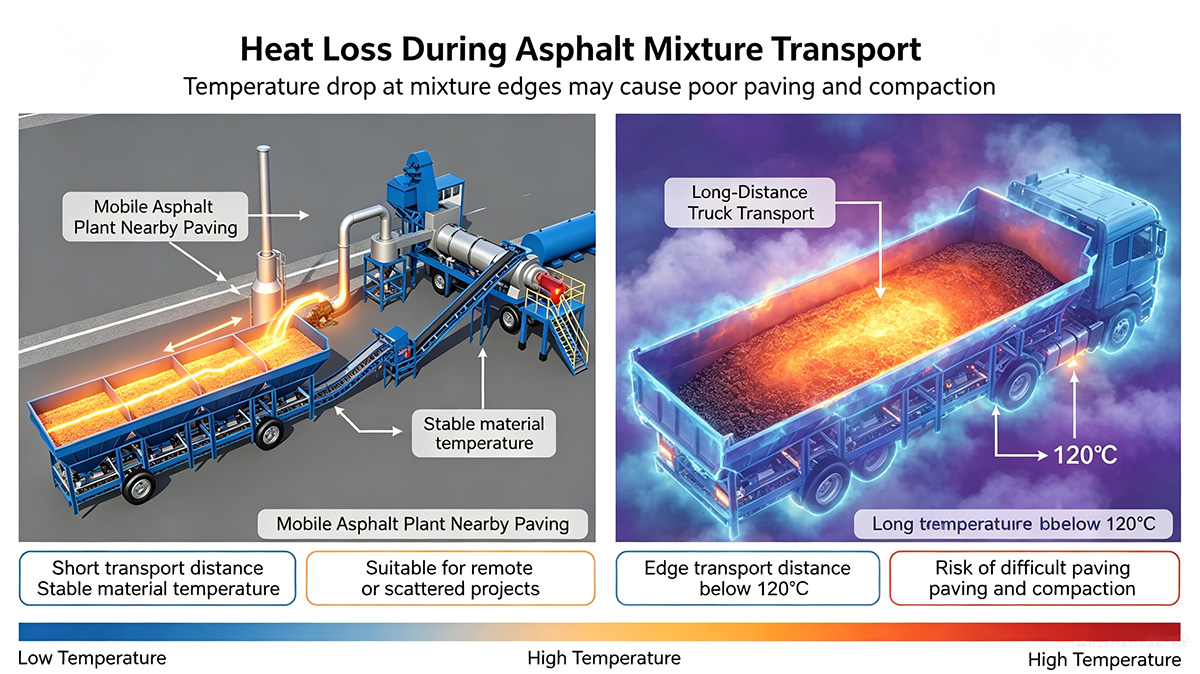
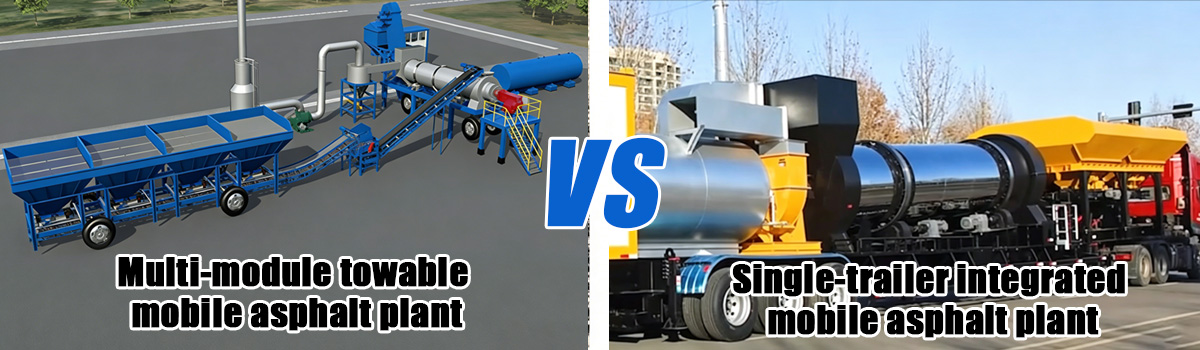
How can the flexibility of mobile asphalt mixing plants be maximized for road maintenance?
Multi-Module Towable vs. Single-Trailer Mobile hot mix Asphalt Mixing Plants: A Guide to Cross-Border Logistics and Equipment Selection


COMPLETE CUSTOMIZED SOLUTION
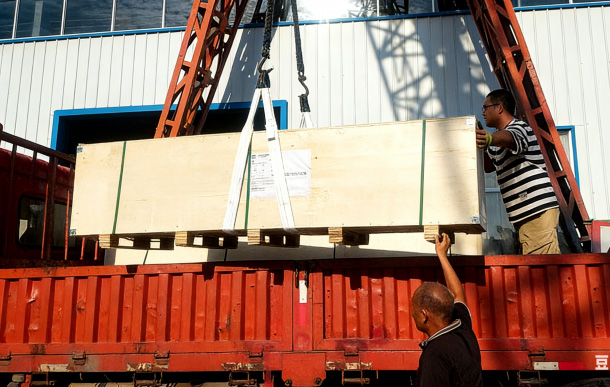
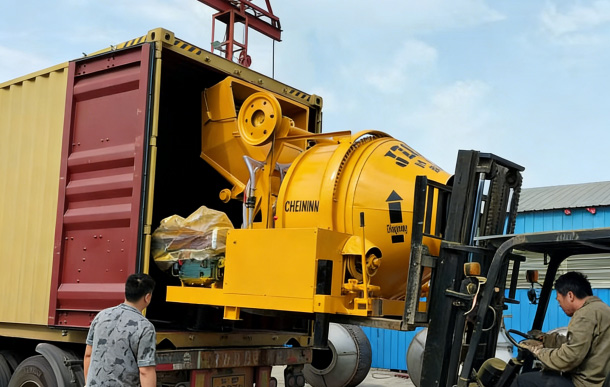
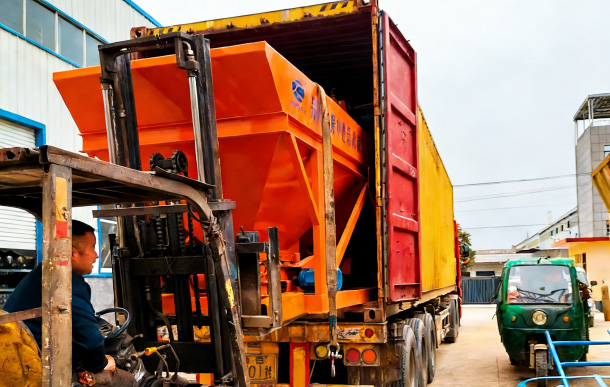
All Cases Of Zhenzhong Machinery




OUR MACHINERY EQUIPMENT CLASSIFICATION
Why Choose Our Factory

Strict quality control: Strict inspection before delivery to ensure stable performance of concrete and asphalt mixing equipment.

Complete product range: One-stop supply of concrete batching plant, concrete mixer, asphalt mixing plant and auxiliary equipment, no need for separate procurement.

Professional customization: Full-set station construction and OEM services, tailored to your concrete and asphalt mixing project needs.

Global after-sales: Professional overseas technical support and timely spare parts supply for all mixing equipment.

Rich experience: Serving global key projects, reliable quality and reputation in concrete and asphalt mixing equipment industry.

Direct factory supply: No middlemen, factory price direct to customers for all concrete mixing equipment and asphalt mixing plant.
If you need product parameter list, project solution, latest quotation or catalog download, please contact us directly. We will reply within 24 hours and provide free professional equipment selection suggestions for your project.